Hey there!
If you’re managing a buildout, whether that’s a commercial data center, manufacturing plant, or office suite, you’ve probably run into that "wait, what kind of cable tray do I actually need?" headache. As a ladder cable tray supplier, I’ve talked through this exact question with electricians, project managers, and even tiny startup ops teams a hundred times. The answer isn’t one-size-fits-all, and that’s why I want to break down what matters so you don’t overbuy, underbuy, or end up with something that’s a total pain to install or tweak later. Ladder Cable Tray
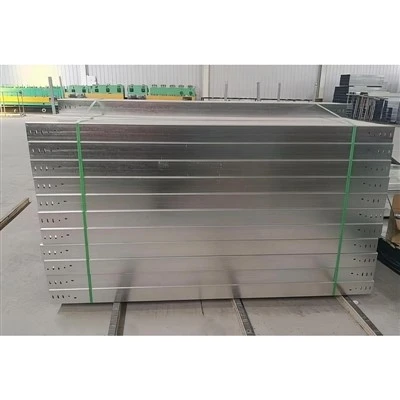
First, let’s keep this super straightforward: ladder cable trays are one of the most popular options for cable management out there, but they aren’t all the same. I see a lot of folks mix them up with other styles—like solid bottom trays or perforated ones—and that’s where they go wrong. Let’s start with why ladder trays stand out in the first place: they’re open by design, right? Like a big metal ladder, with two side rails and rungs spaced out in between. That open design isn’t just a quirk—it’s a big win for most jobs, but there are specific scenarios where sub-types work better than others.
Let’s break down the main types you’ll run into, and the pros and cons of each, from someone who’s been on the ground with install teams and field issues for years.
First up, standard steel ladder cable trays. This is the bread and butter of what I supply, and for good reason. Made from galvanized steel (or we also do stainless steel for harsher environments), standard steel ladder trays are durable, hold a ton of weight, and are flexible enough to adjust mid-install if you mess up a measurement or run into an unexpected structural beam. I’ve had installers tell me they love this style because you don’t have to pry off a solid bottom to add a new cable later—just slip it in between the rungs. No extra tools, no bending or scraping your hands. That’s a huge time saver on projects where every hour counts.
But wait, what about the downsides? If you’re working in a dusty industrial plant or an area with a lot of moisture (like a food processing facility or outdoor installation), the open rungs can let fine debris settle on the cables below. Over time, that dust can insulate heat, which is a bad thing for power cables or data cables that run hot. Also, in really high-traffic areas, the open gaps might let small items (or even curious rodents, if you’re in a warehouse) get into the tray. That’s not a problem for most office or data center jobs, but it’s something to keep in mind.
Next, lightweight aluminum ladder trays. These are for when you need to cut down on weight—think overhead runs where structural load is limited, or projects where you’re moving the tray around a lot during setup, or even temporary builds like event venues or pop-up production spaces. Aluminum is way lighter than steel, so install teams don’t have to haul 50-pound sections up ladders. That’s not just easier—it’s safer too; less risk of dropping a heavy tray and hurting someone. The catch here? Aluminum isn’t as strong as steel, so you can’t load it up with as many heavy power cables. If you’re running a bunch of 4/0 power cables, standard steel will hold more without sagging, but aluminum works great for data cables, low-voltage control wires, or smaller power runs.
Then there’s coated ladder cable trays. We offer these too, and they’re for the tricky environments I mentioned earlier. Powder-coated or PVC-coated steel adds that extra layer of protection against corrosion, moisture, and even minor chemical exposure. If you’re in a chemical plant, wastewater treatment facility, or a coastal area where salt air eats away at regular galvanized steel, coated trays are a no-brainer. I’ve had customers in Florida swear by coated trays for outdoor rooftop runs—salt air would turn regular steel rusty in a year, but coated ones hold up for 5+ years without issues. The tradeoff here is cost: coated trays are a little more expensive upfront, and the coating can scratch if you’re roughhandling during install. But for high-moisture or corrosive areas, that extra cost saves you from replacing trays every couple of years.
Wait, what about “vented ladder trays” and “solid bottom ladder trays”? Let’s clarify those because they’re often confused with separate styles. Vented trays are just ladder trays with extra gaps between the rungs (or even open slots along the rails) for air flow. That’s perfect for data centers—server cables run hot, so the open, extra-vented design lets cool air circulate through the tray, preventing overheating. I’ve had data center managers tell me they cut their cooling costs by almost 10% just by switching to vented ladder trays instead of solid bottom ones. Solid bottom ladder trays, on the other hand, are a hybrid—they’re the ladder frame with a metal sheet covering the base. These are for when you have a mix of cable types, like some power cables that need protection from being crushed, or fiber cables that can’t get dust on them. But here’s the thing: solid bottom trays trap heat, so they’re not great for high-density cable runs. They also make adding new cables a pain—you have to cut a hole in the sheet, which leaves a sharp edge that can fray cable jackets. I only recommend solid bottom trays for super specific use cases, not as a go-to.
Now, let’s get real: how do you pick which one is actually better for your job? I’ve got a quick checklist I walk through with every customer, no matter the project.
First, what’s your environment? If it’s a standard office, retail space, or indoor data center (no harsh chemicals, no salt air), standard steel ladder tray is almost always the best bet. It’s affordable, durable, and easy to modify. If it’s a warehouse or industrial space with dust, or a coastal outdoor install, coated steel is worth the extra cash. If structural load is tight, or you’re doing a temporary setup, aluminum is your guy. If it’s a data center with high-density data cables, go for vented steel to keep cables cool.
Second, what are you running? If it’s a mix of data cables, low-voltage wires, and up to medium power cables, standard steel works. If you’re running large, heavy power cables (like 3/0 or bigger), you’ll want steel—aluminum can’t handle the weight without sagging, which is a safety hazard. If you have fiber optic cables, you might want to pair ladder trays with cable runners inside, but ladder trays themselves are fine for most fiber runs, just make sure the rungs are spaced enough to not bend the fiber too tight.
Third, how much modification do you need? If you’re going to add, remove, or rearrange cables a lot (super common in startups or spaces that get renovated every few years), ladder trays are way better than other styles. And between steel and aluminum, steel is easier to drill, cut, and bend on-site. Aluminum is softer, which can be good for lightweight, but if you’re making a lot of cuts mid-job, steel is more forgiving.
Wait, let’s talk about common mistakes I see customers make all the time. One big one: buying too big a tray “just in case.” Yeah, it might seem smart to get a 24-inch tray for 18 inches of cables, but extra empty space means cables can shift around, which can cause strain on connectors, or even let them rub against each other and fray. The rule of thumb is: your tray should be about 20-30% bigger than your total cable bundle. That leaves room for future additions without overcrowding. Another mistake: skipping the protective fittings. Ladder trays need end caps to prevent sharp edges from cutting cable jackets, and splice plates to connect tray sections securely. I’ve seen a customer skip splice plates, and a section of tray sag 6 inches after adding just a few more cables—total do-over cost him $2k. Small fittings make a huge difference.
Let me give a couple of real examples to make this concrete. Last quarter, I worked with a small startup building out their new office. They had 10,000 feet of Cat6 cables, a handful of 120V power cables, and a plan to add more cables in 2 years. We went with 12-inch standard galvanized steel ladder trays. It cost them about $1.20 per foot, which is way cheaper than solid bottom trays, and the install team had all their cables run in half a day. A few months later, they added another 2,000 feet of cables just by slipping them into the rungs—no extra parts, no downtime. Perfect fit.
Another example: a manufacturing plant in Houston, near the coast. They had outdoor tray runs for their conveyor system controls, and regular galvanized steel trays started rusting through in 18 months. We switched them to 18-inch powder-coated steel ladder trays. Two years later, no rust, no issues, and they even added a few extra sensor cables last month without any problems. That extra $0.50 per foot was way worth it to them.
What about when aluminum makes sense? Last year, a production company was setting up a pop-up concert venue in a parking lot. They needed temporary cable runs overhead, and they didn’t want the trays to be too heavy to haul and install. We used 10-inch aluminum ladder trays. They were easy to lift, easy to disassemble and reuse after the show, and held all their stage lighting cables perfectly. No issues with weight, since they didn’t have power cables that heavy.
Now, let’s be clear: no type is “the best” for every single job. If someone tries to tell you that one ladder cable tray is universally better, they’re not thinking about your specific project. The “better” one is the one that fits your environment, your cable type, and your budget.
If you’re still not sure, here’s the thing: we’re a ladder cable tray supplier that works with everyone from small startups to huge industrial firms. We don’t push the most expensive tray—we ask you a few quick questions: where is this going? What cables are you running? Do you plan to modify later? Then we point you to the one that makes sense for your needs, not just our bottom line.
If you’ve got a project coming up, or you just want to bounce some ideas around about cable management, we’re here to chat. No sales pitch, no pressure—just helping you pick the right tray so your install goes smooth.
Ladder Cable Tray References
- National Electrical Manufacturers Association (NEMA). NEMA Standard 110 – Cable Tray Systems, 2021.
- Underwriters Laboratories (UL). UL 203 – Standard for Cable Trays, 2022.
- Manufacturing Facilities Association (MFA). Industrial Cable Management Best Practices, 2023.
- Copper Development Association (CDA). Cable Tray Load Capacity Guidelines for Power and Data Cables, 2022.
Hebei Shenyi Metal Products Co., Ltd.
Hebei Shenyi Metal Products Co., Ltd. is one of the most professional ladder cable tray manufacturers and suppliers in China, featured by quality products and good service. Please rest assured to wholesale durable ladder cable tray in stock here and get free sample from our factory. Customized orders are welcome.
Address: Gengtun Industrial Zone, Gengtun Village, Xiliangwa Township, Anping County, Hengshui City, Hebei Province
E-mail: HBshenyi@outlook.com
WebSite: https://www.shenyimetal.com/
