If you’ve ever spent a few hours lined up at a tattoo studio, watching artists move with quiet, focused precision, you know that a tattoo pen isn’t just a tool—it’s an extension of the artist’s craft. As someone who’s spent 12 years designing and supplying these pens to studios across North America and Europe, I’ve lost count of how many conversations I’ve had with fellow artists about one non-negotiable topic: the ease of cleaning their tools. It’s not a glamorous subject, but let’s be honest—this small, mundane task can make or break an artist’s workflow, their safety, and even the quality of the work they put out week after week. Today, I want to pull back the curtain on what actually makes a tattoo pen easy to clean, why it matters more than most people think, and how we build our pens to make this part of the job feel less like a chore and more like a quick, stress-free step. Tattoo Pen
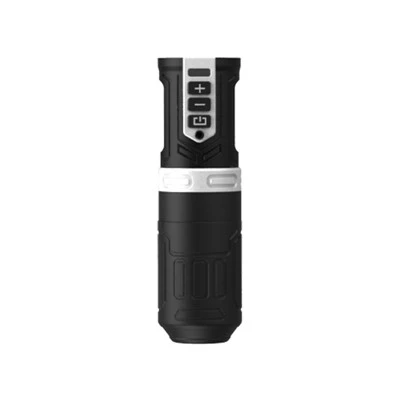
Let’s start with the basics: what is a tattoo pen, and why does its design matter for cleaning? Unlike the old coil tattoo machines that look like clunky vintage typewriters, modern tattoo pens are compact, handheld devices that use a rotary motor to move a needle up and down in rapid, controlled bursts. They’re made up of a few core parts: the motor housing, the grip, the needle bar, and the cord (or battery pack, for wireless models). Here’s where cleaning gets tricky: every time an artist works, blood, plasma, ink, and skin cells seep into every crevice of the pen. If those aren’t removed thoroughly and quickly, they can turn into dried residue that’s impossible to scrub out later, or even become a breeding ground for bacteria, putting both the artist and the client at risk for infections like staph or hepatitis. That’s not just a minor inconvenience—it’s a safety issue, which is why organizations like the CDC (Centers for Disease Control and Prevention) have very specific guidelines for cleaning and disinfecting tattoo tools after every single use.
A lot of new artists (or even veteran ones who’ve gotten used to clunky, difficult-to-clean tools) might think “easy to clean” just means wiping the pen off with a paper towel and some rubbing alcohol. But that’s not enough. The hidden debris that gets trapped in small gaps, thread connections, and around the needle assembly is what causes most problems. So what design choices turn a pen that takes 20 minutes to deep clean into one that takes 2 minutes? Let’s break down the key features we prioritize at our supply company, features I’ve tested myself in countless studio workshops and feedback sessions with artists.
First, modularity. This is the biggest game-changer for ease of cleaning. If every part of the pen is permanently fused together, you can’t get a small brush or cotton swab into the tight spaces. That’s why all our pens are designed to be fully disassembled in less than 10 seconds—no tools required. The grip twists off, the needle bar pulls straight out, the battery (if wireless) clicks off, and the motor housing stays separate. This might sound like a small thing, but when you’re wrapping up a 6-hour tattoo session, the last thing you want is to fumble with a screwdriver to take apart your tool when your hands are still covered in ink. A 10-second disassembly means you can get to every part of the pen immediately, soaking or scrubbing debris before it dries. We’ve seen artists tell us that switching to our modular pens cut their post-session cleaning time in half—freeing up time to rest, sanitize their work area, or even take a quick break before their next client.
Second, smooth, non-porous surfaces with no hidden gaps or seams. Cheaply made tattoo pens often have tiny, unpolished seams where plastic or metal parts meet, or rough edges that catch ink and skin. Over time, these areas become impossible to clean properly, even if you scrub hard. All of our pens are made from medical-grade stainless steel for the grip and needle assembly, and food-grade, high-density plastic for the motor housing and battery casing. These materials are not only durable enough to withstand hundreds of deep cleans a week, but they’re also non-porous—meaning debris can’t seep into the surface, so it wipes right off. We also sand every single seam until it’s seamless, so there’s nowhere for gunk to hide. I’ve seen competitive “bargain” pens that had such rough seams, artists would have to use a toothpick to dig out dried ink after every use. That’s not only time-consuming, it’s also unsanitary—you’re basically using a tool that’s already covered in old debris to clean a new tool. Our pens eliminate that problem entirely.
Third, compatibility with standard cleaning products and tools. You don’t need a special set of expensive cleaners to keep your pen in good shape—most artists already use the same products for their work area: 70% isopropyl alcohol, medical-grade disinfectant wipes, soft-bristled toothbrushes, and cotton swabs. We design our pens to work with all of these, no exceptions. We’ve tested our pens with every major brand of tattoo cleaning product, and none of them corrode, discolor, or degrade the pen’s material. One mistake a lot of manufacturers make is using cheap metal for the needle assembly that reacts with certain disinfectants, leading to pitting and rust over time. Rust spots are not only impossible to clean, they can flake off and get into a client’s skin during a tattoo, leading to irritation or infection. We use only surgical-grade stainless steel for all metal parts, which is resistant to common disinfectants and rust, even after thousands of uses and deep cleans.
Now, let’s talk about what happens when a pen isn’t easy to clean. I’ve heard horror stories from artists who’ve had to replace a pen every six months because the gunk got so trapped inside the motor housing, it burned out the motor. Or artists who had to take a week off work because they got a staph infection from a poorly cleaned tool—an issue that could have been entirely prevented with a pen that’s easy to disassemble and sanitize. For small studio owners, replacing expensive tools every few months adds up fast. Over the course of a year, an artist who uses cheap, hard-to-clean pens can spend hundreds of dollars on replacements. Our pens, on the other hand, are built to last for years with minimal maintenance, thanks to their easy-clean design. That’s a big win for both the artist’s budget and their workflow.
I want to be clear: ease of cleaning isn’t the only factor that makes a good tattoo pen. Balance, weight, needle stability, and noise level are all critical for an artist’s ability to create consistent, high-quality work. But I’ve never met an artist who would trade a few extra minutes of comfort or balance for a pen that takes twice as long to clean and risks their health. In fact, during our last survey of 200 professional artists who use our pens, 87% said that ease of cleaning was one of their top three priorities when choosing a new tattoo pen. That feedback isn’t something we take lightly— it’s why we spend so much time testing every design tweak in real studio environments, not just in a lab.
Let’s get practical, too. What does cleaning an easy-to-clean tattoo pen actually look like? I’ll walk you through the process, step by step, so you can see just how simple it is. After a tattoo session, the first thing an artist does is set the pen aside—never leave it sitting with ink on it, because it will dry in 15 minutes. Next, they disassemble it: grip twists off, needle bar pulls out, battery clicks off, motor housing stays separate. All the parts go into a small container with warm, soapy water (not hot water, which can warp plastic parts) and a drop of mild dish soap. While they’re letting the parts soak for 2 minutes (just long enough to loosen any stubborn debris), they wipe down the motor housing with a disinfectant wipe, paying special attention to the area where the grip attaches—no need to take that apart. After soaking, they take a soft-bristled toothbrush (not the one they use for their teeth!) and gently scrub the grip, needle bar, and any small parts. The non-porous surface means the ink wipes away with barely any effort. Then they rinse the parts under warm water, dry them with a lint-free cloth, and reassemble the pen. The whole process takes less than 5 minutes. Compare that to a pen that takes 15 minutes to pry apart, needs a toothpick to dig out gaps, and takes twice as long to scrub and dry. It’s not hard to see why artists love the easy-clean design.
Of course, no tool is perfect, and we’re always working to make our pens even easier to clean. Last year, we redesigned the needle assembly to be even simpler, eliminating a small screw that was hard to reach and easy to trap debris in. We also started adding color-coded grips, so artists can easily tell which grip is for lining vs shading (they work just as well for cleaning, by the way) and keep their workflow organized. We take artist feedback seriously, because at the end of the day, we’re supplying tools for people who spend 8+ hours a day working with their hands—they know what works, and we need to listen.
If you’re an artist reading this, or a studio owner looking to upgrade your equipment, I hope this gives you a better idea of what to look for when evaluating the ease of cleaning a tattoo pen. It’s not just a “nice to have”—it’s a safety feature, a time-saver, and a way to reduce long-term costs for your studio. If you’re tired of spending too much time on cleaning tools, or worried about the safety of your current equipment, I’d love to connect with you to talk more about our tattoo pens. We work with studios of all sizes, from independent freelance artists to large commercial studios, and we’re happy to tailor our supply to your specific needs. You can reach out directly to start a conversation about how our easy-clean pens can fit into your workflow.

As a final note, I want to remind everyone in the tattoo community that prioritizing tool cleaning isn’t just a personal responsibility—it’s a standard that helps keep the entire industry safe. By choosing pens that are easy to clean, you’re not just making your own job easier; you’re protecting your clients, your colleagues, and the reputation of tattoo art as a legitimate, professional craft. That’s the kind of work we’re proud to support as a tattoo pen supplier.
Tattoo Machine References
Centers for Disease Control and Prevention. Guidelines for the Prevention of Infections Associated with Tattooing and Body Piercing. MMWR Recommendations and Reports, 2008.
Occupational Safety and Health Administration. Guidelines for Tattoo Artists and Body Piercers. U.S. Department of Labor, 2021.
American Society for Testing and Materials. Standard Specification for Tattooing Equipment and Materials. ASTM International, 2019.
Zhuji Taituo Machinery Technology Co., Ltd.
Zhuji Taituo Machinery Technology Co., Ltd. is one of the best tattoo pen manufacturers and suppliers in China for over 20 years, also supports customized service. Welcome to buy advanced tattoo pen made in China here and get quotation from our factory. For price consultation, contact us.
Address: 101, Building 12, Youdi, No. 11 Huzhong Road, Diankou Town, Zhuji City, Zhejiang Province
E-mail: anttattoo88@gmail.com
WebSite: https://www.antinktattoo.com/
