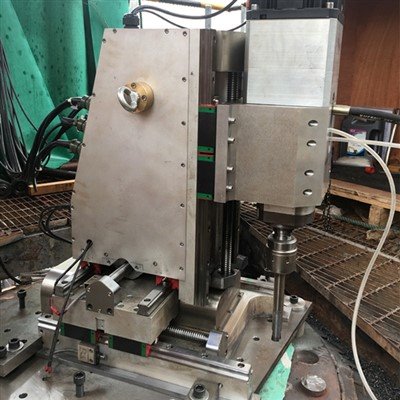
In the dynamic landscape of modern industry, the versatility of line boring is a game – changer. As a seasoned line boring supplier, I’ve witnessed firsthand how this technique can be adapted to meet the diverse needs of different industries. In this blog, I’ll share insights on how line boring can be tailored to various sectors, highlighting its benefits and practical applications. Line Boring
Manufacturing Industry
The manufacturing industry is the backbone of global economic growth, and line boring plays a crucial role in ensuring the precision and efficiency of production processes. In the manufacturing of heavy machinery, such as construction equipment and industrial presses, line boring is used to create precise bores in the frames and components. This precision is essential for the proper alignment of moving parts, which in turn reduces wear and tear, extends the lifespan of the machinery, and enhances overall performance.
For example, in the production of large – scale engines, line boring is employed to create the main bearing bores. These bores must be machined to extremely tight tolerances to ensure that the crankshaft rotates smoothly and efficiently. Any deviation from the specified dimensions can lead to increased friction, reduced power output, and premature engine failure. By using advanced line boring equipment and techniques, manufacturers can achieve the high level of precision required for these critical components.
Another application in manufacturing is the production of molds. Molds are used to shape a wide range of products, from plastic parts to metal castings. Line boring is used to create the cavities and cores in the molds, ensuring that the final products have the correct dimensions and surface finish. This is particularly important in industries such as automotive and aerospace, where the quality of the molded parts can have a significant impact on the performance and safety of the end – products.
Construction Industry
In the construction industry, line boring is a vital technique for repairing and maintaining heavy construction equipment. Construction machinery, such as excavators, bulldozers, and cranes, is subjected to extreme conditions and heavy loads on a daily basis. Over time, the bores in the equipment’s components, such as the main frames, hydraulic cylinders, and pivot points, can become worn or damaged. Line boring provides a cost – effective solution for restoring these components to their original specifications.
For instance, when a hydraulic cylinder rod develops a worn bore, line boring can be used to enlarge the bore and install a new sleeve. This not only restores the functionality of the cylinder but also extends its service life. Similarly, in the case of a damaged pivot point in an excavator’s arm, line boring can be used to repair the bore, allowing the arm to operate smoothly and safely.
Line boring is also used in the construction of large – scale infrastructure projects, such as bridges and high – rise buildings. In these projects, precision is of the utmost importance to ensure the structural integrity of the final construction. Line boring can be used to create precise holes for the installation of structural steel elements, such as beams and columns. This ensures that the components are properly aligned and connected, which is essential for the overall strength and stability of the structure.
Mining Industry
The mining industry is one of the most demanding sectors in terms of equipment durability and performance. Mining equipment, such as trucks, loaders, and crushers, operates in harsh environments and is subjected to high levels of abrasion, impact, and vibration. Line boring is used extensively in the mining industry to repair and maintain this equipment.
In large mining trucks, for example, the main bearing bores in the axles and transmission components can wear out due to the heavy loads and constant movement. Line boring can be used to repair these bores, allowing the trucks to continue operating safely and efficiently. This reduces downtime and maintenance costs, which are critical factors in the profitability of mining operations.
Furthermore, in the processing plants of mining operations, line boring is used to ensure the proper alignment of conveyor systems, crushers, and other equipment. Precise alignment is essential for the efficient transfer of materials and the smooth operation of the processing equipment. Any misalignment can lead to increased energy consumption, reduced throughput, and premature equipment failure.
Marine Industry
The marine industry encompasses a wide range of vessels, from small boats to large cargo ships and naval vessels. Line boring is an important technique in the construction, repair, and maintenance of these vessels.
In shipbuilding, line boring is used to create the bores for the propulsion systems, such as the main engine shafts and propeller shafts. These bores must be machined to very high precision to ensure that the shafts rotate smoothly and efficiently, reducing vibration and noise. This is not only important for the comfort of the crew but also for the overall performance and fuel efficiency of the vessel.
During the repair and maintenance of ships, line boring can be used to repair damaged bearing bores in the propulsion systems, steering gear, and other critical components. By restoring the original dimensions of the bores, line boring helps to ensure the safe and reliable operation of the vessel. In addition, line boring can be used to modify the hull structure of ships, such as creating holes for the installation of new equipment or modifying the existing piping systems.
Adaptation Techniques
To adapt line boring to different industries, several key techniques can be employed. Firstly, the selection of the appropriate equipment is crucial. Different industries may require different types of line boring machines, depending on the size, precision requirements, and accessibility of the components to be machined. For example, in the manufacturing of small – scale components, a portable line boring machine may be sufficient, while in the construction and mining industries, larger and more powerful machines may be needed.
Secondly, the use of advanced cutting tools and techniques can improve the efficiency and precision of line boring. High – speed steel and carbide cutting tools are commonly used, and the choice depends on the material being machined. For example, carbide tools are often preferred for machining hard materials such as steel and cast iron, while high – speed steel tools may be more suitable for softer materials.
In addition, the development of computer – numerical – control (CNC) line boring technology has revolutionized the industry. CNC machines offer greater precision, repeatability, and flexibility compared to traditional manual machines. They can be programmed to perform complex machining operations with high accuracy, making them ideal for industries with strict quality requirements.
Benefits of Adapting Line Boring
The adaptation of line boring to different industries offers numerous benefits. Firstly, it helps to improve the quality and performance of products and equipment. By ensuring precise alignment and dimensions, line boring reduces wear and tear, increases efficiency, and extends the service life of components. This leads to lower maintenance costs and higher productivity in the long run.
Secondly, line boring is a cost – effective solution for repair and maintenance. Instead of replacing entire components, which can be expensive and time – consuming, line boring allows for the restoration of damaged parts to their original condition. This not only saves money but also reduces downtime, which is critical in industries where every minute of operation counts.
Finally, the versatility of line boring makes it a valuable asset in a wide range of industries. Whether it’s in the manufacturing of precision components, the construction of large – scale infrastructure, or the maintenance of heavy – duty equipment, line boring can be adapted to meet the specific needs of each industry.
Conclusion
As a line boring supplier, I understand the importance of adapting this technique to different industries. The ability to provide customized solutions for each sector is what sets us apart in the market. By leveraging advanced equipment, cutting – edge technology, and experienced technicians, we can help our customers achieve the highest level of precision and quality in their operations.
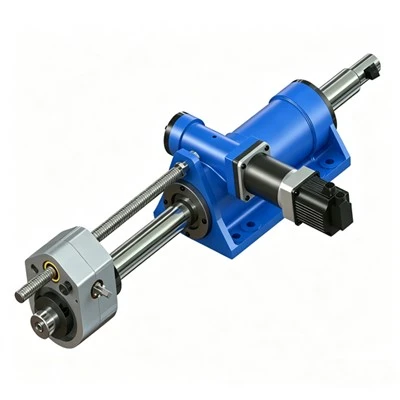
If you’re in need of line boring services or products for your industry, I encourage you to reach out to us for a consultation. Our team of experts is ready to work with you to understand your specific requirements and develop a tailored solution. Whether it’s a one – time project or an ongoing maintenance need, we have the expertise and resources to meet your challenges.
Linear Milling Machine References
- Groover, M. P. (2010). Fundamentals of Modern Manufacturing: Materials, Processes, and Systems. Wiley.
- Kalpakjian, S., & Schmid, S. R. (2013). Manufacturing Engineering and Technology. Pearson.
- Schey, J. A. (2000). Introduction to Manufacturing Processes. McGraw – Hill.
Shangqiu JDA Machinery Technology Co., Ltd.
With abundant experience, we are one of the most professional line boring manufacturers and suppliers in China. We warmly welcome you to buy cheap line boring for sale here from our factory. Quality products and reasonable price are available.
Address: No. 55 Pingyuan Middle Road, Liangyuan District, Shangqiu, Henan, China
E-mail: sales@jdamachines.com
WebSite: https://www.jdamachines.com/
