Hey there, folks! As a supplier of hot melt pipe fittings, I often get asked about whether these things are environmentally friendly. It’s a super important question, especially in today’s world where we’re all trying to be a little more conscious about what we use and how it affects our planet. So, let’s dive right in and take a closer look. Hot Melt Pipe Fittings
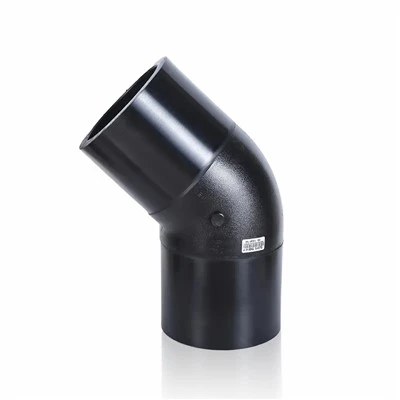
First off, let me give you a bit of a background on hot melt pipe fittings. These are basically used to connect pipes together in a whole bunch of different applications, like in plumbing, in the construction of buildings, and even in some industrial settings. They work by using heat to melt a special adhesive that binds the fitting to the pipe, creating a really strong and reliable connection.
Now, let’s talk about the materials. A lot of hot melt pipe fittings are made from plastics, usually high – density polyethylene (HDPE) or polypropylene. These plastics have some pretty cool environmental benefits. For starters, they’re recyclable. That means once a pipe system using hot melt fittings reaches the end of its life, the materials can be collected, processed, and turned into new products. This is a huge plus in the fight against waste. It helps reduce the amount of plastic that ends up in landfills, which is a major environmental concern.
Compared to some other types of pipe fittings that might be made from metals like copper or steel, plastics are lighter. This might seem like a small thing, but it actually has a big impact. Lighter materials mean less fuel is needed to transport them from the factory to the construction site. With less fuel consumption, there are fewer greenhouse gas emissions. So, from a transportation perspective, hot melt pipe fittings are doing their part to cut down on pollution.
Another aspect to consider is the manufacturing process. The production of hot melt pipe fittings is generally energy – efficient. The equipment used to make these fittings doesn’t require as much energy as some other manufacturing processes for different types of pipe fittings. This leads to lower carbon emissions during production. Additionally, modern manufacturing techniques for hot melt fittings have become more precise, which means less material waste. Fewer scraps are produced, and that’s another win for the environment.
But, it’s not all sunshine and rainbows. There are some things that aren’t so great about hot melt pipe fittings when it comes to the environment. One of the main issues is that the plastics used in these fittings can take a long time to break down in the environment if they’re not recycled properly. Even though they’re recyclable, a lot of plastic waste still ends up in the oceans and other natural habitats. And when plastic breaks down into tiny particles, known as microplastics, it can cause serious harm to wildlife.
Also, the production of plastics involves the use of fossil fuels. These are non – renewable resources, and as we know, the extraction and use of fossil fuels contribute to climate change. So, while the manufacturing process is energy – efficient compared to some alternatives, it still has a carbon footprint because of the reliance on fossil fuels.
The adhesives used in hot melt pipe fittings can also be a factor. Some adhesives might contain chemicals that aren’t great for the environment. For example, some might release volatile organic compounds (VOCs) into the air during the melting process. VOCs can contribute to air pollution and have negative health effects on humans and animals. However, many manufacturers are now working on developing more eco – friendly adhesives that have lower VOC emissions.
So, are hot melt pipe fittings environmentally friendly? It’s a bit of a mixed bag. On one hand, they have a lot going for them. The recyclability of the plastics, the low – energy manufacturing process, and the reduced transportation emissions are all positive aspects. But on the other hand, the long – term decomposition of plastics, the use of fossil fuels in production, and the potential for VOC emissions from adhesives are areas of concern.
Overall, though, I’d say that hot melt pipe fittings have the potential to be a pretty environmentally friendly option. As a supplier, I’m constantly working with manufacturers to improve the environmental performance of our products. We’re looking for ways to use more sustainable materials, develop better adhesives with lower environmental impacts, and encourage recycling of our products.
If you’re in the market for pipe fittings and you’re concerned about the environment, I’d say give hot melt pipe fittings a serious look. They might be just the solution you’re looking for. And if you’ve got any questions or you’re interested in starting a purchase negotiation, don’t hesitate to reach out. We’re here to help you make the best choice for your project, while also doing our part to protect the planet.
Hot Melt Pipe Fittings References:
- Plastics Recycling Database
- Environmental Impact Reports on Pipe Fitting Manufacturing Processes
- Studies on Volatile Organic Compounds in Pipe Fitting Adhesives
Yuyao Aoshi Hydraulic Components Manufacturing Co., Ltd.
As one of the most professional hot melt pipe fittings manufacturers and suppliers in China, we’re featured by quality products and good service. Please rest assured to wholesale hot melt pipe fittings in stock here and get quotation from our factory. Customized orders are welcome.
Address: Huilong village, Zhangting town, Yuyao city, Zhejiang province, China.
E-mail: renxuwei@vip.163.com
WebSite: https://www.jintongtrading.com/
