In the realm of modern building and ventilation system design, the choice of materials plays a pivotal role in determining the efficiency, durability, and overall performance of the system. As a supplier of PET (Polyethylene Terephthalate) panels, I am often asked whether these panels can be used in ventilation systems. In this blog, I will delve into the properties of PET panels, their potential applications in ventilation systems, and the advantages they offer. PET Panels
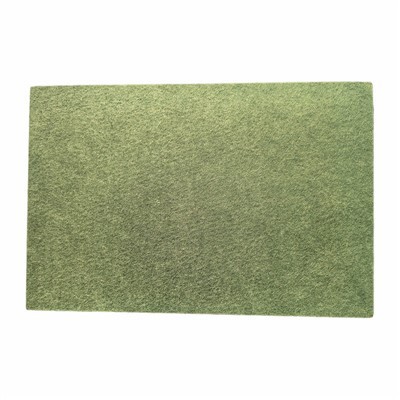
Understanding PET Panels
PET is a thermoplastic polymer resin of the polyester family. It is widely used in various industries due to its excellent properties. PET panels are typically made by extruding or molding PET resin into flat sheets. These panels are known for their high strength, transparency, and chemical resistance.
One of the key features of PET panels is their lightweight nature. Compared to traditional materials such as metal or glass, PET panels are significantly lighter, which makes them easier to handle and install. This is particularly important in ventilation systems, where the weight of the components can affect the overall structural integrity and energy consumption of the system.
Another important property of PET panels is their transparency. PET panels can be made to be highly transparent, which allows for visual inspection of the ventilation system. This is useful in applications where it is necessary to monitor the airflow, the presence of contaminants, or the condition of the system components.
PET panels also have good chemical resistance. They are resistant to a wide range of chemicals, including acids, alkalis, and solvents. This makes them suitable for use in ventilation systems that are exposed to harsh chemical environments, such as industrial settings or laboratories.
Applications of PET Panels in Ventilation Systems
PET panels can be used in various components of ventilation systems. One of the most common applications is in the construction of ventilation ducts. PET panels can be fabricated into duct shapes using techniques such as thermoforming or welding. These ducts offer several advantages over traditional duct materials.
First, the smooth surface of PET panels reduces airflow resistance, which improves the efficiency of the ventilation system. This can lead to lower energy consumption and reduced operating costs. Second, the lightweight nature of PET panels makes them easier to install and support, which can save time and labor during the installation process. Third, the transparency of PET panels allows for easy inspection of the duct interior, which can help to detect and prevent blockages or other problems.
PET panels can also be used in the construction of air handling units (AHUs). AHUs are responsible for conditioning and distributing air in a ventilation system. PET panels can be used to construct the housing of the AHU, as well as the internal components such as the heat exchangers and filters. The chemical resistance of PET panels makes them suitable for use in AHUs that are exposed to corrosive substances, such as in industrial or chemical processing facilities.
In addition, PET panels can be used in the construction of ventilation grilles and diffusers. These components are responsible for controlling the airflow and distributing the air evenly throughout the space. PET panels can be fabricated into various shapes and sizes to meet the specific requirements of the ventilation system. The transparency of PET panels can also be used to create aesthetically pleasing grilles and diffusers.
Advantages of Using PET Panels in Ventilation Systems
There are several advantages to using PET panels in ventilation systems. One of the main advantages is their cost-effectiveness. PET panels are generally less expensive than traditional materials such as metal or glass. This can result in significant cost savings, especially in large-scale ventilation projects.
Another advantage is their durability. PET panels are resistant to impact, abrasion, and UV radiation. This means that they can withstand the harsh conditions of a ventilation system and have a long service life. This can reduce the need for frequent replacement and maintenance, which can further save costs.
PET panels are also environmentally friendly. They are recyclable, which means that they can be reused at the end of their life cycle. This reduces the environmental impact of the ventilation system and helps to conserve natural resources.
In addition, PET panels offer design flexibility. They can be easily fabricated into various shapes and sizes, and can be customized to meet the specific requirements of the ventilation system. This allows for the creation of unique and innovative ventilation solutions.
Challenges and Considerations
While PET panels offer many advantages for use in ventilation systems, there are also some challenges and considerations that need to be taken into account. One of the main challenges is the flammability of PET panels. PET is a thermoplastic material, which means that it can melt and burn when exposed to high temperatures. Therefore, it is important to ensure that the PET panels used in ventilation systems are fire-resistant or are installed in accordance with fire safety regulations.
Another consideration is the temperature resistance of PET panels. PET panels have a relatively low melting point, which means that they may not be suitable for use in ventilation systems that are exposed to high temperatures. In such cases, it may be necessary to use other materials or to take additional measures to protect the PET panels from heat.
In addition, the installation of PET panels in ventilation systems requires careful planning and attention to detail. It is important to ensure that the panels are properly installed and sealed to prevent air leakage. This can affect the efficiency and performance of the ventilation system.
Conclusion

In conclusion, PET panels can be a viable option for use in ventilation systems. They offer several advantages, including cost-effectiveness, durability, environmental friendliness, and design flexibility. However, it is important to consider the challenges and limitations of using PET panels, such as flammability and temperature resistance.
Acoustic Material As a supplier of PET panels, I am committed to providing high-quality products and technical support to our customers. If you are considering using PET panels in your ventilation system, I encourage you to contact me to discuss your specific requirements and to learn more about the benefits of using PET panels. We can work together to develop a customized ventilation solution that meets your needs and budget.
References
- "Plastics in Building and Construction", edited by John M. Schultz, Wiley, 2003.
- "Ventilation Systems Design Handbook", by CIBSE, 2015.
- "Polyester Resins: Chemistry and Technology", by R. B. Seymour, Marcel Dekker, 1972.
Suzhou Trano New Material Technology Co., Ltd.
As one of the most professional pet panels manufacturers and suppliers in China, we also support customized service. Please feel free to buy bulk high quality pet panels for sale here from our factory. For price consultation, contact us.
Address: SuZhou
E-mail: info@trano-tech.com
WebSite: https://www.tranofelt.com/
