How Much Does Cushioning Paper Cost?
If you’ve ever had to ship fragile items—like hand-poured candles, ceramic mugs, or delicate electronics—you’ve probably run into cushioning paper. It’s not just crumpled old newspaper anymore; today’s cushioning paper is a specialized product designed to protect goods, reduce waste, and meet sustainability goals. As a supplier who’s worked with small business owners, e-commerce managers, and warehouse teams over the past decade, I get asked this question constantly: “How much does cushioning paper really cost?” The answer isn’t a one-size-fits-all number, so let’s break it down like I would with a client sitting across my desk. Cushioning Paper

First, let’s get clear on what we’re talking about. Not all cushioning paper is the same. There’s the basic, uncoated Kraft paper that’s used for wrapping large items, then there’s embossed cushioning paper (with little ridges for extra shock absorption), and even biodegradable bubble alternatives made from 100% recycled paper. The type you choose will be the biggest factor in price. But before we dive into numbers, let’s talk about why that price matters—for your budget and for the planet.
A few years back, I had a small candle maker client who was using cheap, generic bubble wrap for their orders. They thought they were saving money, but by the end of the quarter, 12% of their orders arrived with broken jars. The cost of returns, replacements, and damaged customer trust was way higher than switching to the right cushioning paper would’ve been. That’s the first thing I tell people: cushioning paper isn’t just an expense—it’s an investment in your product’s reputation.
Now, let’s get to the core question: how much does it cost? Most of my clients buy cushioning paper in bulk, either by the ream, the roll, or the pallet, so I’ll frame prices around those common purchase units. I should note that all pricing here is in USD, as that’s the standard for most of my North American and European clients, and it reflects 2024 market rates (things do shift with paper pulp costs, so always check with a supplier for current quotes).
Basic embossed cushioning paper is the entry level. This is the stuff that’s light, easy to tear, and works great for wrapping small to medium fragile items like mugs or glass bottles. A standard 300-foot roll of 12-inch wide embossed cushioning paper typically costs between $8 and $12. If you’re buying in smaller quantities for a home-based business, you might pay a bit more—maybe $15 to $20 for a single roll—but bulk purchases for warehouses or large e-commerce brands can drop that per-roll price to $5 to $7, depending on how much you order.
Wait, but what if you need something heavier duty? For larger items like ceramic planters or small appliances, you’ll want a thicker, more robust cushioning paper. Heavy-duty embossed paper, which is 20% thicker than the standard version, is priced higher. A 300-foot roll of 12-inch heavy-duty cushioning paper runs between $12 and $18 retail, and bulk pallet orders (which can have 50 to 100 rolls) bring that down to $8 to $11 per roll. The extra cost is worth it for the protection—last year, a kitchenware client switched from standard bubble wrap to our heavy-duty paper, and their breakage rate dropped to under 1%.
Then there’s the sustainable segment, which has grown a lot in the last five years. More and more brands are ditching plastic cushioning for paper that’s recyclable, compostable, or made from post-consumer recycled (PCR) content. Biodegradable embossed cushioning paper, which is often made from 100% PCR Kraft, is priced a bit higher because of the material sourcing. A 300-foot roll of 12-inch wide biodegradable cushioning paper costs between $10 and $15 retail, and bulk pricing is $7 to $10 per roll. I have a lot of eco-focused clients who are willing to pay that extra 50 cents to a dollar per roll because it aligns with their brand values—consumers notice that, too.
But price isn’t just about the roll or ream. You also have to factor in how you use the cushioning paper. A common mistake I see is people using too much—either wrapping an item 10 times when 3 layers are enough, or using a big piece of paper when a small one would work. That’s a waste of money. I usually tell clients to test the right amount: wrap a sample item, drop it from waist height, and see if it stays protected. For most small items, 2 to 3 layers of embossed paper is enough. If you’re using a paper shredder instead of pre-made rolls, the shreds might be cheaper upfront, but they take up more space in storage and can be more time-consuming to use. A 5-pound box of paper shreds costs around $15, but you might go through a box every two weeks, whereas a single roll can last a month or more for a small business.
Another cost factor is the size of the paper. Wider rolls cost more than narrower ones, obviously. A 24-inch wide roll of the same embossed paper we talked about earlier will be about $2 to $3 more expensive per roll than a 12-inch one. That makes sense because there’s more material on the roll. But if you’re wrapping a lot of large items, a wider roll can actually save you money over time—you’ll use fewer rolls, so you pay less in total labor and material. I had a client who was buying 12-inch rolls for large vases and going through 4 rolls a week; switching to 24-inch rolls cut their weekly usage to 1.5 rolls, saving them around $50 a month.
Now, let’s talk about hidden costs that people often overlook. For one, storage space. Cushioning paper is bulky—even a pallet of 50 rolls takes up about 10 square feet of space. If you’re a small business with limited warehouse space, you might have to pay for storage, which adds to the overall cost. That’s why I recommend buying in quantities that fit your space, not just what’s the cheapest per unit. Another hidden cost is waste from improper use. If your cushioning paper doesn’t protect your items, you’ll have to pay for returns, restocking, and even customer refunds. A study by a major e-commerce platform found that 60% of return costs are due to damaged goods, so investing a little more in the right cushioning paper can save you a lot in the long run.
Wait, what about specialty cushioning paper? There’s also printed cushioning paper, which can have your brand logo or a thank-you message on it. That’s a great way to add a personal touch to your orders, but it’s more expensive. Printed rolls can cost $15 to $25 per roll, depending on the design and how many you order. But for a small business, that’s often a worthwhile investment because it makes your orders stand out—one of my clients told me that adding their logo to the cushioning paper increased their repeat customer rate by 8%.
So, to sum up the numbers for 2024: expect to pay between $5 and $12 per roll for basic embossed cushioning paper, $8 and $15 for heavy-duty, and $7 and $10 for biodegradable options, when buying in bulk. Retail prices for smaller quantities will be 50% to 100% higher, so bulk is almost always the way to go if you’re using more than a few rolls a month.
But here’s the thing: I don’t just sell cushioning paper—I help clients find the right product for their needs. If you’re a home-based candle maker shipping 50 orders a month, you don’t need a pallet of heavy-duty paper. A few standard embossed rolls will work just fine. If you’re a large e-commerce brand shipping 10,000 orders a month, you’ll want to invest in high-quality, sustainable cushioning to keep your customers happy and your costs low.
I’ve seen too many clients make the mistake of choosing the cheapest cushioning paper they can find, only to regret it when their products break. I had a client a couple years ago who switched to a $3 roll of no-name cushioning paper to save money, and within a month, they had 50 broken mugs. The cost of replacing those mugs and the bad reviews they got was 10 times more than the extra $2 per roll they would’ve paid for a reliable product.
On the flip side, I’ve also had clients who paid way more than they needed to for overkill cushioning. One client was using heavy-duty paper to wrap small earrings—obviously, that’s a waste. I helped them switch to a lightweight paper filler, which cut their cushioning costs by 70%. So it’s not just about finding the cheapest price; it’s about finding the right balance between cost and performance.
If you’re still unsure about how much cushioning paper you need, or what type is right for your business, don’t hesitate to reach out. I’ve been in this industry for a long time, and I’ve worked with all kinds of businesses—from side hustles to large corporations. I can help you calculate your exact needs, compare prices, and find a product that fits your budget and your sustainability goals. Whether you’re just starting out or looking to upgrade your packaging, I’m here to help.
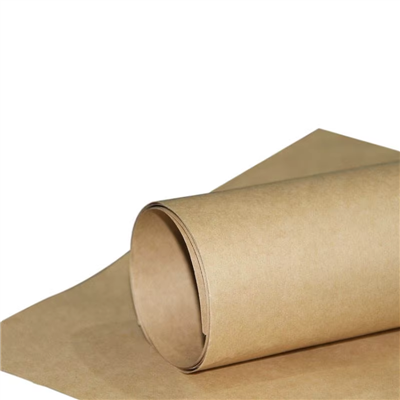
Pure Wood Pulp Elastic/extensible Kraft Paper Ready to stop guessing and start protecting your products the right way? Get in touch to discuss your specific needs, request a custom quote, or ask any questions you have about cushioning paper pricing and options. I’m always happy to help, no matter how big or small your project is.
References
- Sustainable Packaging Coalition. (2023). Cushioning Materials: Market Trends and Cost Analysis.
- E-commerce Returns Solutions. (2024). The Hidden Costs of Damaged Goods in Online Retail.
- Paper and Pulp Industry Association. (2023). 2024 Pricing Forecast for Packaging Papers.
- Small Business Packaging Survey. (2023). Cost Efficiency of Cushioning Materials for Small Enterprises.
Senzo New Material Group Co., Ltd.
As one of the most professional cushioning paper manufacturers and suppliers in China, we also support customized service. Please rest assured to buy high quality cushioning paper made in China here from our factory. For price consultation, contact us.
Address: Dongying Bonded Area, Shandong, P. R. China
E-mail: info@aonuochina.cn
WebSite: https://www.senzopaper.com/
