If you’ve ever grabbed a blister pack for your daily multivitamin, a cardboard box holding a prescription antibiotic, or a paper-wrapped packet of sterile gauze from a pharmacy shelf, you’ve interacted with pharmaceutical packaging board products—often without realizing how specifically engineered those materials are. As someone who’s spent the last 12 years sourcing, testing, and supplying packaging board for the pharma industry, I can tell you this isn’t just “cardboard.” Every grade, finish, and thickness is designed to do a job: protect sensitive drugs, meet strict regulatory rules, keep products safe until their expiration date, and even make it easy for pharmacists and patients to use. Let’s break down the key pharma packaging board products we work with, what makes each unique, and why choosing the right one isn’t just a choice—it’s a requirement for patient safety. Packaging Board
First, it’s important to set a baseline: pharma packaging board isn’t the same as the corrugated boxes you ship bulk medical supplies in, or the chipboard for cereal boxes you pick up at the grocery store. The pharma space is governed by agencies like the U.S. Food and Drug Administration (FDA) and the European Medicines Agency (EMA), which enforce strict standards for biocompatibility, moisture resistance, and lack of harmful additives (like heavy metals or volatile organic compounds, VOCs) that could leach into medication. That’s why every board we supply undergoes third-party testing to confirm it meets these rules—something I emphasize to every new client, because cutting corners here isn’t just bad for business; it can put patients at risk.
The most common pharma packaging board we handle is folding boxboard (FBB), sometimes called solid bleached sulfate (SBS) board when it’s white and bleached. If you’ve held a small, rigid box for a blister pack of prescription pills, a tube of topical cream, or a small bottle of eye drops, that’s almost always FBB. What makes it ideal here is its rigidity and ability to hold precise, sharp folds—critical for boxes that need to stay closed when opened, or feature child-resistant closures for controlled substances. The bleached version, SBS, has a uniform white surface that works great for printing critical info: expiration dates, lot numbers, dosage instructions, and barcodes. For pharma, legible, smudge-proof labeling isn’t just a convenience—it’s a regulatory mandate, and SBS’s smooth surface takes ink perfectly, even with high-speed industrial printers. That said, unbleached FBB is also used for some over-the-counter (OTC) products where white printing isn’t required, and cost savings matter for bulk OTC lines. We stock FBB in thicknesses ranging from 180 gsm to 450 gsm, depending on the box’s size and weight capacity—small pill boxes use the thinner end, while boxes for 100-count prescription bottles use the thicker, sturdier grade to avoid crushing during shipping.
Next up is coated unbleached kraft (CUK) board, a workhorse for bulk pharmaceutical shipping and secondary packaging. Kraft board itself is made from wood pulp, processed to be extra strong and tear-resistant, and the “coated” part adds a protective layer against moisture and dirt. For pharma, secondary packaging is the layer that holds multiple primary packages (like 12 blister packs of antibiotics) for distribution from a manufacturer to a pharmacy. This is where CUK shines: it can withstand rough handling during palletizing, truck transport, and even short-term exposure to humidity in a warehouse. The unbleached brown color isn’t just a cost saver—it’s also more durable than bleached grades, because the natural lignin in unbleached pulp adds tensile strength we can’t get with SBS. A lot of generic drug manufacturers rely on CUK for their secondary packaging because it balances performance and cost, without sacrificing regulatory compliance. We recently worked with a specialty generic pharma client who needed CUK for cold-chain shipping boxes—we added a custom moisture barrier coating to the board to keep temperature-sensitive vaccines dry during cross-country transport, and it passed all their FDA testing requirements. That’s the kind of tailored solution we focus on, not just off-the-shelf rolls of board.
Another critical grade is glassine board, a lightweight, semi-transparent pharma board that’s often used for inserts or inner liners in sterile packaging. You might not notice glassine at first, but if you’ve ever opened a box of sterile surgical sponges, the thin, smooth paper between the sponges is glassine board. It’s grease-resistant, non-sticky, and doesn’t shed fibers—something non-pharma paper or board can do, which is a big no-no for sterile medical products. If a fiber from a cheap board gets on a surgical sponge, it could cause infection during a procedure, so glassine’s ability to stay lint-free is non-negotiable. We also supply glassine board with a silicone coating for certain applicator tips in topical medications, where it prevents the medication from sticking to the packaging during storage. What I like most about glassine is how specialized it is—most people have no idea such a thin, simple material plays a key role in surgical safety, but that’s exactly why we’re careful about sourcing only pulp from FSC-certified mills with strict process controls for fiber purity.
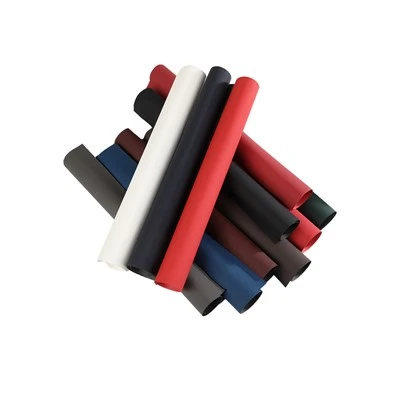
Then there’s black pharma board, often called solid unbleached sulfate (SUS) board, used for child-resistant packaging and tamper-evident seals. Child-resistant packaging is a requirement for many controlled substances, opioids, and some OTC products like iron supplements that are dangerous for kids to ingest. Black board’s rigidity and ability to hold complex, interlocking designs make it perfect for these closures—unlike SBS, which is too flexible to maintain the tight, multi-part locks needed for child resistance. The dark surface also makes it easy to spot if a seal has been broken, which is a key part of patient safety: tamper-evident packaging is mandatory for most prescription drugs, and black board’s opacity means you can’t see inside a package without opening it, so any attempt to manipulate the seal is immediately obvious. We test all our black board for durability in child-resistance protocols, using third-party labs to make sure only 10% of children (and 90% of adults) can open the packaging within a set time frame—strictly following CPSC and FDA guidelines for these products. It’s a small detail, but it’s one that can prevent accidental poisonings, and that’s what makes our job meaningful.
I also want to mention specialized barrier boards, which are a newer addition to our line and growing in demand as pharma manufacturers move away from plastic packaging. Barrier boards have a thin layer of polymer or aluminum laminated to the board surface that blocks moisture, oxygen, and light—three of the biggest threats to drug stability. For example, biologic drugs like insulin or mRNA vaccines degrade when exposed to oxygen, so their primary packaging often uses barrier board to extend shelf life. Until recently, these products relied on plastic blister packs, but more and more brands are switching to barrier board because it’s recyclable, meets sustainability goals, and still provides the protection needed. We’ve worked with a startup biotech company to develop a custom barrier board that’s recyclable through standard paper streams, not just specialty plastic recycling, which helped them meet their ESG targets while staying compliant with FDA stability testing requirements. The key here is balancing protection with sustainability—something I talk about a lot with clients, because pharma brands can’t afford to compromise on product safety to hit their net zero goals.
A common mistake I see new pharma buyers make is choosing the cheapest board on the market without checking regulatory compliance. Last year, we had a client come to us after a batch of their OTC pain reliever boxes was rejected by a pharmacy network because the board tested positive for lead contamination. The client had sourced a cheap, untested board from a non-specialty supplier, and the lead leached onto the printed info, making the entire batch unusable. That cost them over $100,000 in wasted product and delays, and could have been avoided by working with a pharma board supplier that understands the regulatory landscape. That’s why I always emphasize transparency: we provide our full test reports for every board grade, detail every additive used, and our team has deep knowledge of FDA, EMA, and ISO 15378 (the specific standard for primary pharmaceutical packaging materials) requirements.
Another thing that sets our supply apart is custom sizing and finishing. Pharma packaging isn’t one-size-fits-all—different drugs need different box shapes, insert sizes, and even surface finishes. For example, some eye drop boxes need a matte finish to reduce glare when patients read the dosage instructions, while antibiotic blister packs need a glossy finish to make the lot and expiration dates easy to scan. We work with clients to adjust the board’s thickness, coating, and finish to match their exact needs, whether that’s a small run for a new generic drug or a bulk order for a top-selling OTC line.

At the end of the day, pharma packaging board is about more than holding medication. It’s a critical part of the healthcare ecosystem, designed to keep patients safe, help providers administer care correctly, and get life-saving drugs to people when they need them. As a supplier, we don’t just sell board—we partner with pharma companies to make sure their packaging meets every regulatory rule, every performance need, and every sustainability goal they have. If you’re a pharma brand looking for a reliable, compliant packaging board supplier, or if you have questions about which grade is right for your product, we’re here to help. Reach out to our team to discuss your needs, test our materials, or request a sample. We’re always happy to walk through the details, because we know that when it comes to pharma packaging, there’s no room for guesswork.
Color Offset Paper References
ISO 15378:2017, Primary packaging materials for medicinal products — particular requirements for materials based on paper, board and plastic. U.S. Food and Drug Administration, Code of Federal Regulations Title 21, Parts 210 and 211 (Current Good Manufacturing Practice for Finished Pharmaceuticals). European Medicines Agency, Guideline on the Specifications and Control of Materials Used in Primary Packaging for Medicinal Products for Human Use, 2018. Consumer Product Safety Commission, Child Resistance Test Protocols for Packaging of Hazardous Substances, 2020. International Organization for Standardization, ISO 186:2019, Paper and board — Determination of water solubility of matter.
Dongguan Banyan Material Co., Ltd.
We are one of the most experienced packaging board manufacturers and suppliers in China, also support customized service. Please feel free to wholesale bulk eco-friendly packaging board from our factory. Quality products and reasonable price are available.
Address: NO.167, Meijing West Road, Songmushan, Dalang Town, Dongguan City, Guangdong Province, China
E-mail: Sales_chris@yspaper.com
WebSite: https://www.paperyoung.com/
